



Think That Baby Animal Needs Help? It Probably Doesn’t

Alice Carmody
After moving to Colorado in 1993 and working at a title company, I pursued a career in real estate...
After moving to Colorado in 1993 and working at a title company, I pursued a career in real estate...
Spring can be a particularly sensitive time for wildlife, as many species are nesting, birthing young or emerging from hibernation. Colorado wildlife such as bears, deer, elk, pronghorn, moose, rabbits, foxes, skunks, raccoons, bats and birds will become more visible in backyards, open spaces and on trails.
Although it may feel like human nature to care for baby wildlife, Colorado Parks and Wildlife (CPW) wants to remind the public that wildlife aren’t pets and touching or feeding them can be dangerous and cause unintended harm. CPW wildlife experts advise the community to respect wildlife by leaving young animals alone so they can grow and thrive in the wild.
Every year, CPW and local parks receive an increase in office visits and calls from people who report they “rescued” young wildlife. Many people wrongly believe they are "helping" young animals by picking them up, bringing them to a CPW office or taking them home to feed them. People routinely orphan young wildlife by essentially kidnapping them from their natural environment.
Colorado is home to big-game species, including elk, mule deer, moose and bighorn sheep. Human disturbance can cause stress for wild animals and reduce females’ chances of successfully raising offspring.
- Do not feed or approach young wildlife.
- Enjoy wildlife from a safe distance.
- Be mindful of bears on trails and around your home to help reduce human-bear conflicts.
- Keep dogs leashed on trails to prevent them from chasing wildlife.
- If you see wildlife that appears sick or injured, leave it alone. Call your local Colorado Parks and Wildlife office and ask a trained wildlife officer for guidance.
CPW also urges the public not to feed wildlife on trails, in backyards or on decks. Under Colorado law, feeding wildlife is illegal because it poses a risk to wildlife health and safety. Those in violation are subject to fines, and even worse, can cause the animal to become sick and die.
In addition to humans harming wildlife, wildlife can also pose physical dangers to humans. Animals such as elk, moose and birds can become aggressive to defend their young. Other dangers of interacting with wildlife include exposure to rabies, Salmonella, fleas, ticks and other parasites, bacteria or viruses that may be present in or on the animal. Likewise, humans can inadvertently expose wildlife to diseases carried by people.
What should you do if you see a baby bird out of a nest?
- If a nestling baby bird (eyes closed and featherless) has fallen from a nest that you can easily see and safely reach, it is okay to put the bird back into the nest, but you should wear gloves and a mask to prevent the transmission of diseases between you and the bird.
- If you find a fledgling bird (eyes open, feathered, can hop around but cannot fly) on the ground, do not pick up the bird. The parents will continue to care for it on the ground, and it will soon be able to fly. Keep cats inside to prevent them from killing birds.
- Be careful when handling or observing young birds, as the mother may become aggressive if she feels her young are threatened.
- If you find a sick or dead bird, do not touch it.
- Not sure what to do? Call your local Colorado Parks and Wildlife office and ask a trained wildlife officer for guidance.
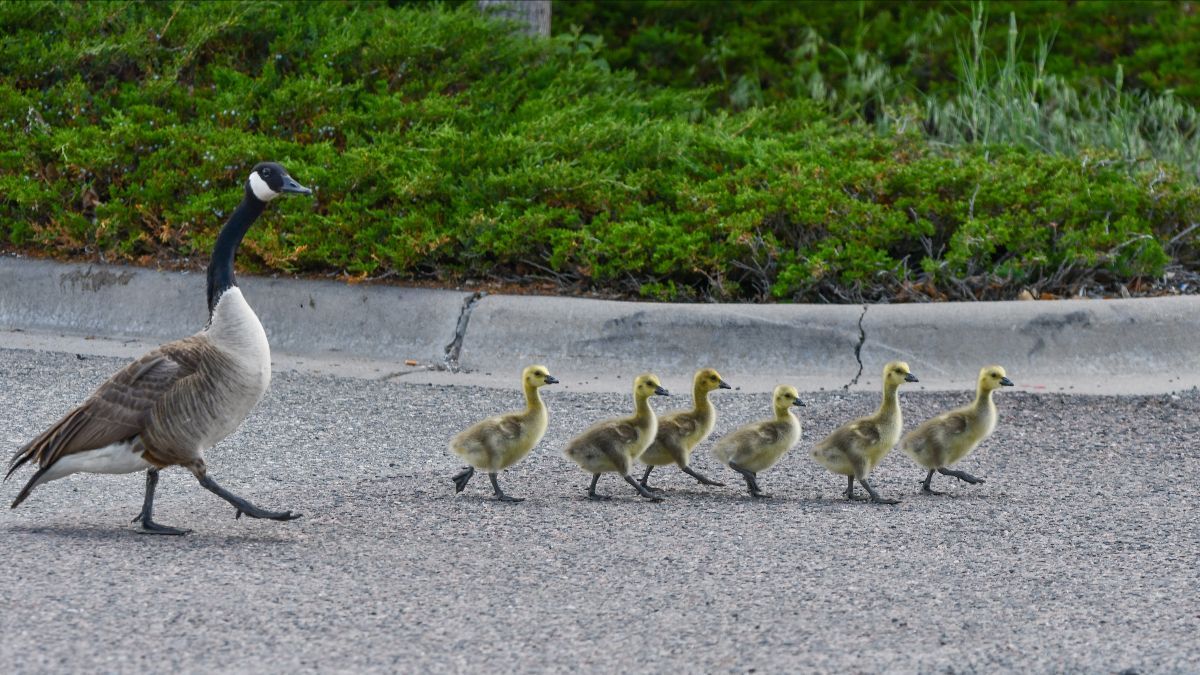
Young animals need space, not rescue
Spring can be a particularly sensitive time for wildlife, as many species are nesting, birthing young or emerging from hibernation. Colorado wildlife such as bears, deer, elk, pronghorn, moose, rabbits, foxes, skunks, raccoons, bats and birds will become more visible in backyards, open spaces and on trails.
Selling Your Home?
Get your home's value - our custom reports include accurate and up to date information.