



Bear Aware Tips for Colorado Foothills Homes This Fall

Jennifer Trinco
I’m a proud fourth-generation Colorado native, and there’s nowhere else I’d rather live...
I’m a proud fourth-generation Colorado native, and there’s nowhere else I’d rather live...
More bears will be out and about from September-November. Colorado Parks and Wildlife remind people that bears are searching for food before winter.
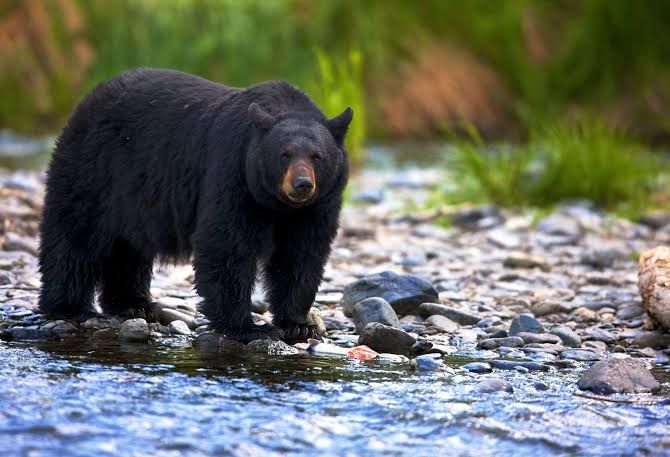
Black bears are entering hyperphagia and can spend up to 20 hours per day fattening up for winter. CPW warns people to be vigilant and proactive in removing things that attract bears from outside homes and campsites.
A black bears natural diet is berries, nuts, plants and grasses. When they can’t find that food the animals drive to find food can overcome its fear of humans. Many bear conflicts come from bears getting to comfortable around people. Several reported conflicts result from attractants like trash, bird seed, pet food, and barbeque grills.
“Research shows that bears prefer natural sources of food. But they will seek out sources of human-provided food if it’s available which can become dangerous to humans,” CPW Northwest Region Senior Wildlife Biologist Brad Banulis said. “Preventing bears from relying on human food sources takes a community effort, and it’s important that we all take proactive steps to limit human food sources in order to avoid any possible conflicts with bears and bear-proof our homes.”
To better understand how much bears need to consume everyday CPW made a list of how much human food bears eat. They eat 20,000 calories per day. This is the equivalent of 20 chicken sandwiches, 10 large orders of French fries, 10 soft drinks and 10 milkshakes. This is the amount that black bears need to eat each day to build up their fat reserves to survive the winter.
CPW made a list of many different preventatives to become bear aware.
Bear-proofing your home:
- Keep garbage in a well-secured location. Only put out garbage on the morning of pickup.
- Clean garbage cans regularly to keep them free of food odors: ammonia is effective.
- Keep garage doors closed. Do not leave pet food or stock feed outside.
- Use a bear-resistant trash can or dumpster.
- Bird feeders are a major source of bear/human conflicts. Attract birds naturally with flowers and water baths. Do not hang bird feeders from April 15 to Nov. 15.
- Don’t allow bears to become comfortable around your house. If you see one, haze it by yelling at it, throwing things at it and making loud noises to scare it off.
- Secure compost piles. Bears are attracted to the scent of rotting food.
- Clean the grill after each use, and clean up thoroughly after cookouts.
- If you have fruit trees, don’t allow the fruit to rot on the ground.
- Talk to your neighbors and kids about being Bear Aware.
Cars, traveling and campsites:
- Lock your doors when you’re away from home and at night.
- Keep the bottom-floor windows of your house closed when you’re not at home.
- Do not keep food in your vehicle; roll up windows and lock the doors of your vehicles.
- When car-camping, secure all food and coolers in a locked vehicle.
- Keep a clean camp, whether you’re in a campground or in the backcountry.
- When camping in the backcountry, hang food 100 feet or more from the campsite; don’t bring any food into your tent.
- Cook food well away from your tent; wash dishes thoroughly.
Protecting your chickens, bees, livestock:
- Keep chickens, bees and livestock in a fully covered enclosure, especially at night.
- Construct electric fencing when possible.
- Don’t store livestock feed outside.
- Keep enclosures clean to minimize animal odors.
- Hang rags soaked in ammonia and/or Pine-Sol around the enclosure as a scent deterrent.
.jpeg)
Bear Aware This Fall: Simple Ways to Protect Your Foothills Home
Fall in the Colorado foothills brings cooler mornings, changing leaves and another seasonal shift homeowners should keep in mind: increased bear activity.
Selling Your Home?
Get your home's value - our custom reports include accurate and up to date information.