



Let the Garden Rest: Why You May Want to Skip the Fall Cutback

Carrie Hurich
Real estate has never just been about houses for me—it’s about people, transitions, and the moments that matter most...
Real estate has never just been about houses for me—it’s about people, transitions, and the moments that matter most...
It’s tempting to reach for the pruners the moment the first frost browns your garden beds. But resisting that urge can pay off in ways that matter for both your plants and the ecosystem around them.
Standing stems and foliage act as natural mulch, trapping snow and leaf litter around the crown of the plant. This insulating layer buffers roots against the freeze-thaw cycles that can heave a plant right out of the soil. For borderline-hardy species like some sages and hummingbird mint, that are already living at the edge of their cold hardiness, that extra protection can be the difference between returning strong in spring and not returning at all.
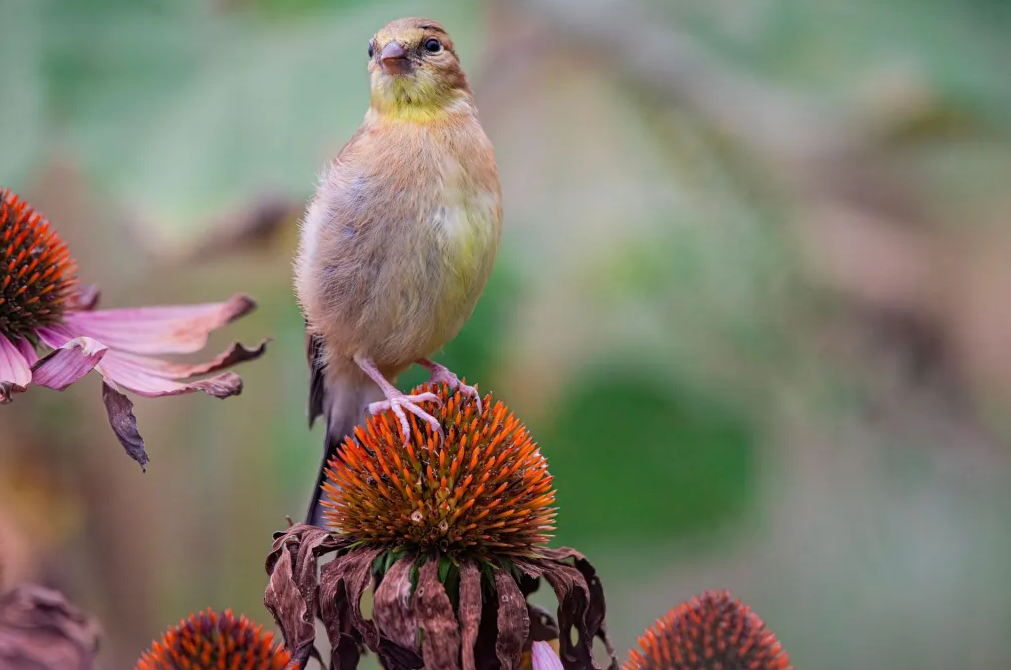
Bird taking a break on the seed head of a dried purple coneflower. Photo: @coldbeer on Pexels
Seed heads left on purple coneflower, blanket flower, black-eyed Susans, and other seed-bearing perennials and grasses become a critical food source for finches, chickadees, sparrows, and other seed-eating birds through the leanest months of the year. Every calorie counts when natural food is scarce. Watching a flock of goldfinches work over a stand of dried coneflowers on a cold morning is one of winter’s small, quiet rewards. Hollow or pithy stems found in many perennials can serve as winter shelter for native bees and other beneficial insects, many of which overwinter as larvae tucked inside old plant stalks. Cut everything down in October and you inadvertently remove both the pantry and the habitat those birds and pollinators need to survive until spring.
Beyond their striking winter color swaying against snow, grasses such as little bluestem and switchgrass offer dense cover where birds and small mammals can shelter from wind and predators.
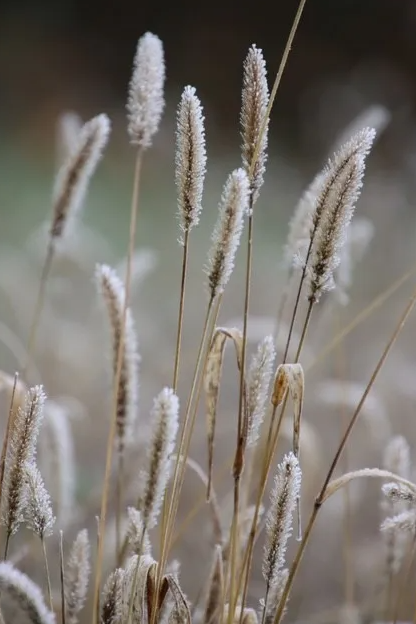
Seed heads sparkling with frost. Photo: Dominik Rheinheimer on Pexels
A garden left standing isn’t just functional; it’s visually mesmerizing. Frost on seed heads, snow resting on grass plumes, and the architectural silhouettes of dried stems add interest to a season that’s often written off as bleak.
Before cutting back, wait until temperatures consistently warm in early-to-mid spring, once the risk of hard freeze has passed and overwintering insects have had a chance to emerge. This timing also gives beneficial insects time to complete their life cycles inside those hollow stems. If you can’t resist cutting back those stems, leave them somewhere in your garden, allowing plenty of time for beneficial insects to emerge before disposing of or composting them.
A little patience in fall pays dividends in plant survival, pollinator health and garden beauty all winter long. Sometimes the best gardening move is simply to do less.
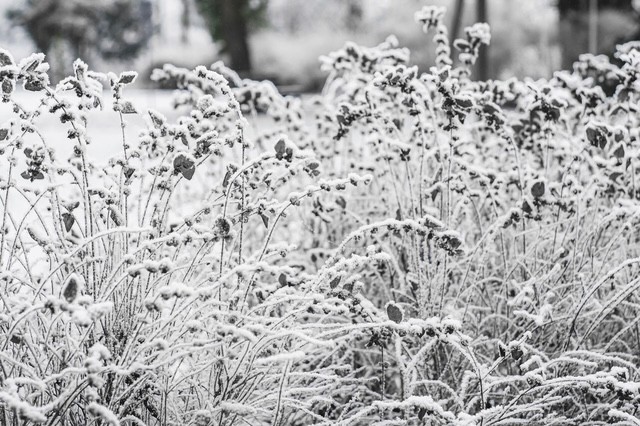
To Cut Back or Not to Cut Back: Nature Says Wait - Arapahoe County | CSU Extension
By Pam Rosendal, Colorado Master Gardener...
Selling Your Home?
Get your home's value - our custom reports include accurate and up to date information.